When the Senate approved an inquiry into wealth management companies in September 2024, understandably much of the focus from the advice sector was on getting to the bottom of the Dixon Advisory collapse and its impact on the Compensation Scheme of Last Resort (CSLR).
Indeed, the majority of the submissions made to the inquiry have looked at what happened with Dixon, the role of the corporate regulator and its investigations, and the problems with how the CSLR has been set up.
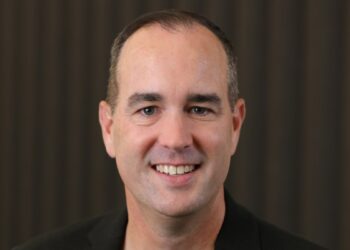
However, on Friday, Financial Advice Association Australia (FAAA) general manager for policy, advocacy and standards, Phil Anderson, argued that the experiences of former Dixon clients should not be forgotten through this process.
“This week I had the chance to talk to a former Dixon Advisory client, hearing his experiences but also his understanding and views on what happened,” he said.
“We should never forget that it is these clients who are at the centre of this story and who we should feel for. What happened to them must not be repeated. This highlights the importance of hearing from Dixon Advisory clients at the Senate committee inquiry hearings.”
The client, Anderson said, invested more than $100,000 in the US Masters Residential Property Fund (URF) through his Dixon financial adviser. The client lost most of this money.
“He has gone through the AFCA complaint process, however is sceptical about the effort involved. He has read a lot about Dixon Advisory, however remains uncertain about some of what he has heard and unaware of some of what he probably needs to know,” he said.
“Confronting what happened and reflecting on it is challenging. For those who suffered substantial losses, and put trust in people who failed them, it can be devastating. A lot of clients will have terrible stories about the impact of the Dixon Advisory and URF disaster on them and their families.
“We discussed the Dixon Advisory business model, where an Investment Committee, comprised of very senior business people, decided how much each Dixon Advisory client would invest in each of the Dixon Advisory related product offerings. He could not accept that this was correct. His adviser gave no indication that he was acting upon directions from above.”
This particular point, according to Anderson, underscored the importance of hearing from the advisers that worked for Dixon to provide a deeper understanding of how the business model worked and why they followed these instructions from the investment committee.
“When I explained that the URF had not been subject to independent research and that the vast majority (85 per cent to 95 per cent) of the investors in the various URF products were Dixon Advisory clients, he was amazed and appalled. He assumed that financial advisers across the country had recommended the URF and related products,” Anderson added.
This reaction from the client potentially explains why so many Dixon clients stayed within the broader E&P Financial Group following the collapse.
In response to questions on notice from Liberal senator Andrew Bragg in July last year, the Australian Securities and Investments Commission (ASIC) said that about 3,280 of the 4,100 Dixon clients had, by May 2022, moved to E&P.
“Every DASS client was given a choice, with some choosing to leave and the majority deciding to stay withing (sic) the group,” ASIC said.
“Most DASS clients already had a standing relationship with other entities within the group. For instance, clients may have received investment advice from DASS, but the administration of their self-managed superannuation fund was conducted by other entities, or they received broking services from another of the AFSL holders within the group.”
Understanding why such a large proportion of clients stayed with the group after “having gone through this terrible experience” is one of the questions that Anderson believes clients could answer through the inquiry.
He also wants to know how Evans and Partners explained to clients what had happened and why they lost so much money and what remediation E&P offer them, or how they suggested the client losses could be addressed.
“We are looking forward to the Senate inquiry hearings commencing and listening to those who really know what happened and how things went so wrong,” Anderson said.
“It is only with this knowledge that what needs to change can be identified and addressed. It is the CSLR that has helped to highlight what went wrong at Dixon Advisory.
“Understanding the Dixon Advisory story in detail will help to ensure that it does not happen again and that the serious problems with the CSLR can be fixed.”