X
  • About
  • Advertise
  • Contact
Get the latest news! Subscribe to the SMSF Adviser bulletin
  • News
  • Money
  • Education
  • Strategy
  • Webcasts
  • Features
  • Podcasts
  • Events
    • SMSF Technical Strategy Day
    • AI Summit
    • SMSF Awards
    • Australian Wealth Management Awards
  • Promoted Content
No Results
View All Results
  • News
  • Money
  • Education
  • Strategy
  • Webcasts
  • Features
  • Podcasts
  • Events
    • SMSF Technical Strategy Day
    • AI Summit
    • SMSF Awards
    • Australian Wealth Management Awards
  • Promoted Content
No Results
View All Results
Home News

Burgess points to ‘obscure’ repair levy feature

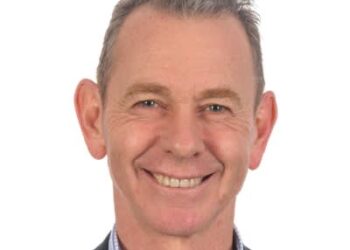
Following last’s week’s federal Budget announcement , AMP SMSF’s Peter Burgess has outlined an “obscure” feature of the Budget Repair Levy for SMSFs.

by Katarina Taurian
May 20, 2014
in News
Reading Time: 3 mins read
Share on FacebookShare on Twitter

The government last week announced its plans to impose a temporary Budget Repair Levy of two per cent on that part of a person’s taxable income which exceeds $180,000. The levy was introduced to parliament last week.

Speaking to SMSF Adviser, Mr Burgess said an “obscure” feature of the levy was its reduction in some situations where an individual exceeds their concessional contribution cap.

X

“Where an individual makes non-concessional contributions up to the non-concessional contribution cap, and in the same income year also makes an excess concessional contribution, no Budget Repair Levy will be payable on the excess concessional contribution, to the extent the levy would result in the level of tax on the excess exceeding 95 per cent,” Mr Burgess said.

“This is a reference to the dreaded 93 per cent tax scenario under the current law, which without this concession, could rise to 98 per cent once you factor in the two per cent Medicare Levy charge and the two per cent Budget Repair Levy.”

Mr Burgess said this concession will effectively cap the Budget Repair Levy at 0.5 per cent on the excess concessional contribution in situations where a member on the highest marginal tax rate contributes up to their maximum non-concessional contribution cap, and in the same income year they also make an excess concessional contribution.

“The excess concessional contribution amount is added to the member’s total of non-concessional contributions which under the proposed tax thresholds could have resulted in the excess concessional contribution incurring excess contributions tax at the rate of 49 per cent on top of the 49 per cent which the member also has to pay because they have exceeded their concessional cap,” he said.

However, whether such a concession will ever have any application is debatable given, in most cases, it is “entirely optional” to pay 93 per cent tax, Mr Burgess said.

“Since 1 July 2013, and even before, under more restrictive rules, super fund members have been able to seek a refund of their excess concessional contributions,” Mr Burgess said.

“If they do that, their non-concessional contribution total is then reduced, resulting in the total tax payable on their excess concessional contribution being capped at their marginal rate of tax. But it’s still nice to know the policy makers are being thoughtful in these scenarios.”

The SMSF Professionals’ Association of Australia’s Jordan George told SMSF Adviser that practitioners should take note of these changes and inform their trustee clients.

“At the same time, they should gain an understanding of the refunding models for concessional contributions and non-concessional contributions to make sure that if they do make a mistake they’re not hit by these higher tax rates,” Mr George said.


Tags: News

Related Posts

Daniel Butler, director, DBA Lawyers

Is the new Div 296 legislation introducing a ‘death tax’?

by Keeli Cambourne
January 15, 2026

Daniel Butler, director of DBA Lawyers, told SMSF Adviser that in the transitional arrangements of the revised legislation the change...

Making ‘cents’ of changes to contribution notices

by Keeli Cambourne
January 15, 2026

Lyn Formica, head of SMSF technical and education services for Heffron, said the issue has come to light over the...

Peter Johnson, director, Advisers Digest

It’s not just a numbers game deciding who controls a company

by Keeli Cambourne
January 15, 2026

Peter Johnson, director of Advisers Digest, said if “you control an entity that controls another entity, you control that bottom...

Leave a Reply Cancel reply

Your email address will not be published. Required fields are marked *

Join our newsletter

View our privacy policy, collection notice and terms and conditions to understand how we use your personal information.
SMSF Adviser is the authoritative source of news, opinions and market intelligence for Australia’s SMSF sector. The SMSF sector now represents more than one million members and approximately one third of Australia's superannuation savings. Over the past five years the number of SMSF members has increased by close to 30 per cent, highlighting the opportunity for engaged, informed and driven professionals to build successful SMSF advice business.

Subscribe to our newsletter

View our privacy policy, collection notice and terms and conditions to understand how we use your personal information.

About Us

  • About
  • Advertise
  • Contact
  • Terms & Conditions
  • Privacy Collection Notice
  • Privacy Policy

Popular Topics

  • News
  • Strategy
  • Money
  • Podcasts
  • Promoted Content
  • Feature Articles
  • Education
  • Video

© 2026 All Rights Reserved. All content published on this site is the property of Prime Creative Media. Unauthorised reproduction is prohibited

No Results
View All Results
NEWSLETTER
  • News
  • Money
  • Education
  • Strategy
  • Webcasts
  • Features
  • Podcasts
  • Events
    • SMSF Technical Strategy Day
    • AI Summit
    • SMSF Awards
    • Australian Wealth Management Awards
  • Promoted Content
  • About
  • Advertise
  • Contact Us

© 2026 All Rights Reserved. All content published on this site is the property of Prime Creative Media. Unauthorised reproduction is prohibited